Get Free Consultation!
We are ready to answer right now! Sign up for a free consultation.
I consent to the processing of personal data and agree with the user agreement and privacy policy

We are ready to answer right now! Sign up for a free consultation.
I consent to the processing of personal data and agree with the user agreement and privacy policy
Analyticall Quality Solutions Pvt. Ltd. provides product certification services in India for manufacturers, exporters, electronics companies, and food businesses. We help businesses identify the certifications and approvals their products may require for Indian and international markets.
Our services cover certifications and standards such as CE, BIS, HACCP, GMP, and FSSC 22000, depending on the product, industry, and target market. We begin by assessing your product and business requirements to determine the relevant certification pathway. This helps you focus on the approvals that are applicable to your product instead of pursuing unnecessary certifications.
From gap analysis and documentation to implementation, training and internal audits, AQS helps businesses build effective ISO systems that improve compliance, efficiency and certification readiness.
Regulatory approvals may be required for electronic and electrical products before they can be sold in India or exported to international markets. AQSPL helps businesses identify the applicable approvals and certification requirements for their products and target markets.
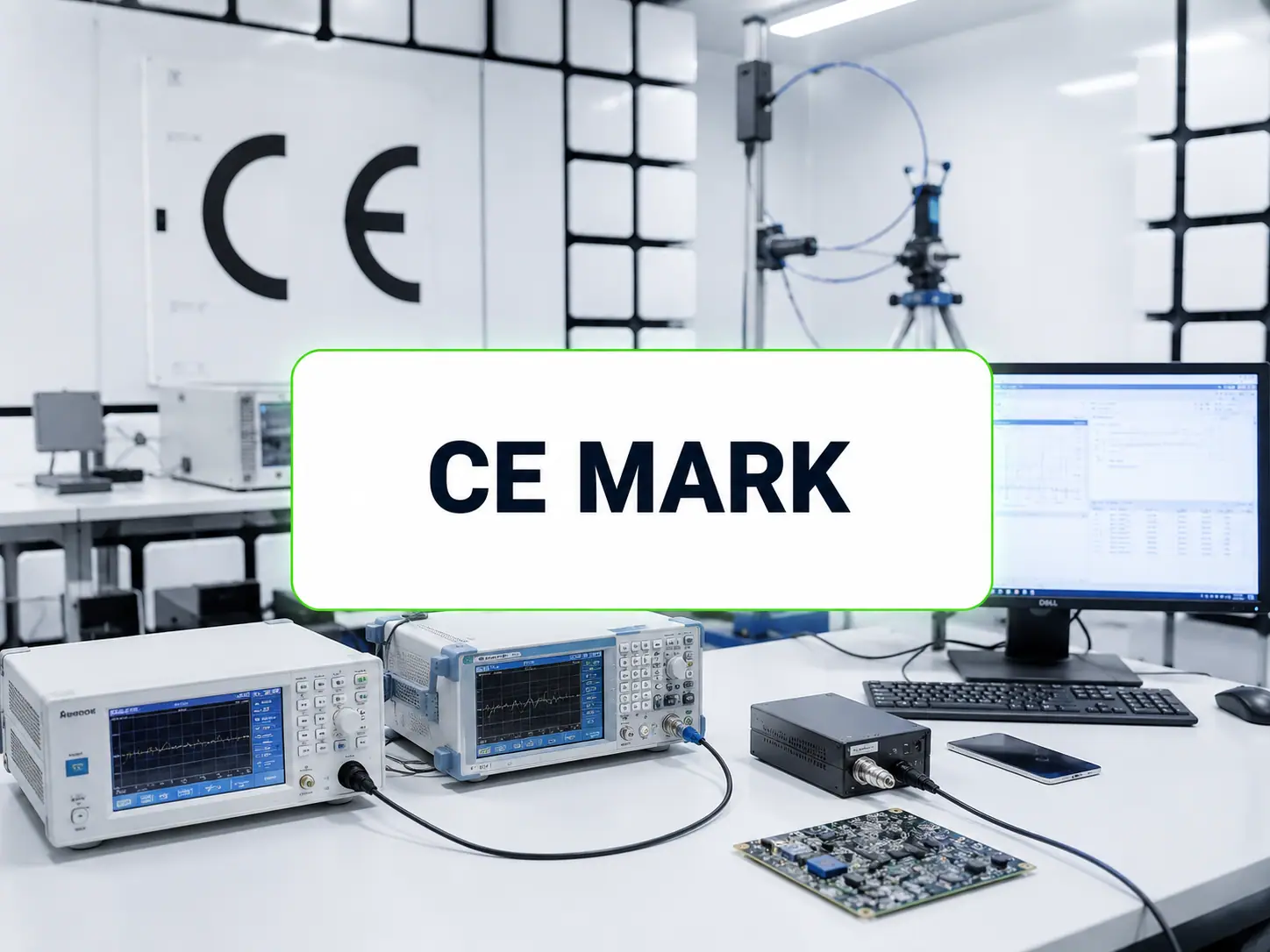
Manufacturers who already hold CE marking for the European market often assume it’s sufficient to sell in India — it isn’t. CE marking is a European conformity mark; it does not substitute for BIS certification. Regulated products still need separate assessment against the relevant Indian Standard (IS), through BIS ISI or BIS CRS, before they can be legally marketed in India.
Existing CE test reports and technical documentation can speed up the BIS process as a starting reference — but they cannot replace it. AQSPL reviews your existing CE documentation first, so testing isn’t duplicated where Indian requirements overlap.
From foundational hygiene practices to GFSI-recognized certifications, we help food and pharmaceutical manufacturers meet safety, quality, and international retailer requirements.
|
Standard |
Best For |
Typical Cost (India) |
|---|---|---|
|
HACCP |
Domestic compliance, FSSAI-driven food safety basics |
₹5,000 – ₹3,00,000, by scope |
|
FSSC 22000 |
International retailers, GFSI-recognized supply chains |
₹1.5 – ₹10 lakh, by scope |
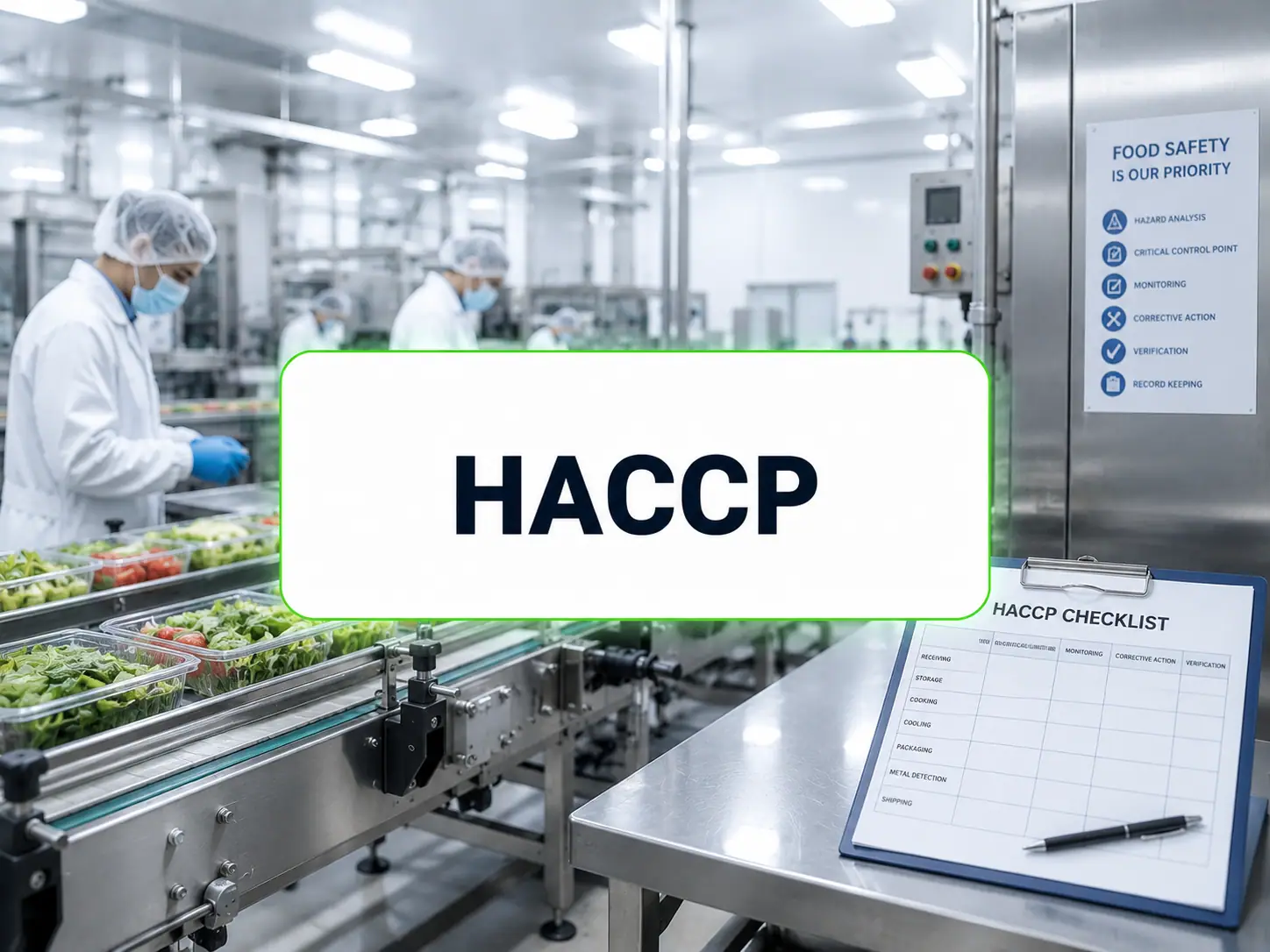
These aren’t interchangeable options at different price points — they solve different problems. HACCP is often the right starting point if your focus is domestic compliance and building a food safety foundation. FSSC 22000 (which already includes HACCP, ISO 22000, and prerequisite programs like GMP) is what international retailers and GFSI-recognized supply chains actually require, and carries far broader acceptance if export is the goal.
GMP typically needs to be in place before HACCP makes sense — it’s treated as a prerequisite program, not a competing certification.
Advisory support for chemical and material compliance requirements, declarations, and sustainability certifications.
Product certification and regulatory compliance help businesses gain market access, build customer trust, reduce risks and accelerate product approvals across domestic and international markets.
AQS supports organizations of all sizes and sectors to achieve ISO compliance with confidence.
Our certification process helps manufacturers identify required certifications, coordinate testing and documentation, manage regulatory filings, and maintain ongoing compliance for domestic and international markets with expert support.
We identify which certifications your product legally requires based on its category, target market (domestic vs. export), and any existing certifications you already hold.
Technical files, declarations, and lab testing are coordinated through accredited facilities, reusing existing test data wherever standards overlap.
Applications are filed with the relevant body — BIS, CDSCO, WPC, a notified body, or a GFSI-recognized certifier — and tracked through to decision.
Certificate or mark issued, with surveillance audits, renewals, and regulatory-change monitoring managed on an ongoing basis.
A simplified roadmap to help you achieve compliance with confidence.
We understand your business needs and ISO certification requirements.
We identify the gaps between current practices and ISO standards.
Our experts create customized ISO documentation for your organization.
We help you implement the processes and controls effectively across your business.
We conduct internal audit to ensure readiness for certification audit.
Final audit by the certification body and issuance of ISO certificate.
A simplified roadmap to help you achieve compliance with confidence.
We understand your business needs and ISO certification requirements.
We identify the gaps between current practices and ISO standards.
Our experts create customized ISO documentation for your organization.
We help you implement the processes and controls effectively across your business.
We conduct internal audit to ensure readiness for certification audit.
Final audit by the certification body and issuance of ISO certificate.
READY TO GET CERTIFIED?
Tell us your product and target market. We’ll identify the certifications and compliance requirements your product may need — nothing more, nothing less.
Posted on GoogleTrustindex verifies that the original source of the review is Google. Thanks to AQSPL for making the ISO 45001 certification process smooth and hassle-free. Thank you for the good service & excellent support.Posted on GoogleTrustindex verifies that the original source of the review is Google. AQSPL made getting RoHS Certification easy. Mr. Vaibbhav Pusshkarna & his team were helpful. Took a bit longer than expected, but otherwise everything went fine.Posted on GoogleTrustindex verifies that the original source of the review is Google. My experience of IEC testing with Analyticall Quality Solutions Pvt Ltd was good, the team was helpful, responsive and professional.Posted on GoogleTrustindex verifies that the original source of the review is Google. I was nervous about the BIS certification, but Vaibbhav Pusshkarna made it simple and easy. Great experience overall.Posted on GoogleTrustindex verifies that the original source of the review is Google. Overall Good experience with AQSPL on STQC certification services, Vaibbhav Pusshkarna guided us without hassle & kept communication clear always. I highly recommend Analyticall Quality Solutions Pvt Ltd.Posted on GoogleTrustindex verifies that the original source of the review is Google. From the very first consultation to the final CE Marking approval. AQSPL delivered exceptional clarity and guidance. I highly recommend AQSPL for their exceptional service and support.Posted on GoogleTrustindex verifies that the original source of the review is Google. they provide one of the best Rohs certification in india,, as they are the best rohs certificate & testing provider in india...Posted on GoogleTrustindex verifies that the original source of the review is Google. I contacted Analyticall Quality Solutions Pvt Ltd to help us with our ISO 27001 certification, and I’m really happy with the service they provided. The team explained everything in a clear and easy-to-understand way, and Vaibhav Pushkarna was always available whenever we had questions. They guided us step by step, and the whole process felt smooth and well-organized. They provided really good support and professional work. I would definitely recommend them to anyone looking to get ISO 27001 certified.Posted on GoogleTrustindex verifies that the original source of the review is Google. Great experience with AQSPL services.
Connect with our certification experts for quick guidance on ISO, BIS, CE, Testing and Compliance Services.
Mon–Sat
10 AM – 7 PM
It depends on your product category and target market: electronics and appliances typically need BIS (ISI Mark or CRS), food products need FSSAI-aligned certification like HACCP, and products with specific hazards may need additional approvals like WPC or CDSCO. AQSPL provides a free assessment based on your exact product.
No. CE marking is a European conformity mark and does not replace BIS certification for the Indian market. Regulated products still require separate BIS ISI or CRS certification against Indian Standards, though existing CE documentation can help speed up testing.
BIS ISI Mark (Scheme I) applies broadly to products under compulsory certification and displays the ISI logo. BIS CRS (Scheme II) applies specifically to electronics and IT products under the Compulsory Registration Scheme and displays a CRS logo instead. Different schemes, different product categories.
HACCP is a food safety system focused on hazard control, often used as a domestic compliance baseline. FSSC 22000 is broader—it includes HACCP, ISO 22000, and prerequisite programs—and carries wider acceptance among international retailers and GFSI-recognized supply chains.
Generally, yes. GMP is treated as a prerequisite program that establishes basic hygiene and manufacturing controls, which HACCP's hazard-analysis system is then built on top of, rather than the two being competing or interchangeable certifications.
HACCP certification in India typically costs ₹5,000 to ₹3,00,000 or more, depending on facility size, scope, and the certification body chosen. Contact AQSPL for a quote based on your specific operation.
It depends on the product: many electronics fall under mandatory BIS Quality Control Orders (QCOs) and cannot legally be sold without certification, while some food safety certifications like HACCP aren't always legally mandatory but are commonly required by buyers, retailers, and export markets.
BIS (Bureau of Indian Standards) issues ISI Mark and CRS certification directly. Food safety certifications like HACCP and FSSC 22000 are issued by accredited third-party certification bodies, operating under frameworks recognized by FSSAI and GFSI respectively.